View Before & After Photos
What Is a NeoGraft (FUE) Hair Transplant?
NeoGraft is an FDA-cleared, minimally invasive follicular unit extraction (FUE) hair transplant system that automates the careful harvesting and placement of individual hair follicles. By automating “no-touch” implantation, NeoGraft ensures precise handling of grafts and better graft survival, delivering fuller, more natural-looking results.
What Are the Benefits of NeoGraft Hair Restoration?
Unlike older “strip” techniques, NeoGraft offers a more comfortable, minimally invasive alternative, delivering natural-looking results with little downtime. Key benefits include:
- No stitches, staples, or linear scars
- Faster recovery (it’s possible to return to work the next day)
- Flexibility to wear hair shorter or styled differently over time
- Ability to repair or camouflage old strip-harvest scars with precise graft placement
With its advanced technology and natural outcomes, NeoGraft has become the leading choice for hair restoration in Houston, helping patients reclaim their hairline and confidence with lasting results.
Who’s a Good Candidate for NeoGraft?
Ideal candidates for NeoGraft hair replacement are typically concerned about hair loss and desire natural-looking density in thinning or balding areas. They share these traits:
- In good general health with a healthy scalp
- Have sufficient donor hair (usually from the back or sides of the scalp)
- Wish to avoid visible scarring or a long recovery
- Areas of thinning or balding (rather than full baldness coverage)
- May be repairing prior scalp or strip-scar surgeries
During your private consultation, Dr. Patt will review your hair loss pattern, donor supply, scalp condition, and goals to recommend a custom plan. He ensures you feel informed and have realistic expectations about the procedure and potential outcome before you take your next steps toward fuller hair.
What To Expect During the NeoGraft Procedure
Dr. Patt takes a highly personalized approach to ensure your results look natural and complement your natural hair growth patterns. Here’s a general idea of what to expect:
- Comfort: Local anesthesia is applied to the donor and recipient areas to ensure comfort.
- Extraction: The NeoGraft device cores and gently extracts individual follicular units from the donor site.
- Graft preparation: Hair follicles are counted, trimmed, and sorted to optimize placement.
- Recipient site creation: Dr. Patt makes incisions in the thinning/balding areas with precise angles, depth, and orientation.
- Implantation: Grafts are placed carefully in the recipient sites using a gentle, no-touch technique to maximize viability.
A full session ranges from 2 to 8 hours or more, depending on the number of grafts required. In some cases, Dr. Patt may recommend multiple sessions to achieve lustrous results.
What Is NeoGraft Recovery Like?
NeoGraft offers a shorter and more comfortable recovery period compared to other hair replacement procedures. While every recovery is unique, here’s a general idea of what to expect:
- Days 1–3: Mild swelling, crusting, and tenderness are common; over-the-counter pain relief usually suffices. Most patients resume work and daily activities after a day or two.
- Days 7–10: Scabs typically fall off; transplanted hair begins to settle.
- Weeks 2–4: Initial hair shedding is normal (the “shock loss” phase).
- Months 3–6: New hair growth is visible in treated areas.
- Months 9–12+: Full density and maturation of hair are achieved; final results become apparent.
During your recovery, Dr. Patt provides detailed aftercare instructions, including when to wash your hair, how to protect grafts, and other tips to promote healthy hair growth.
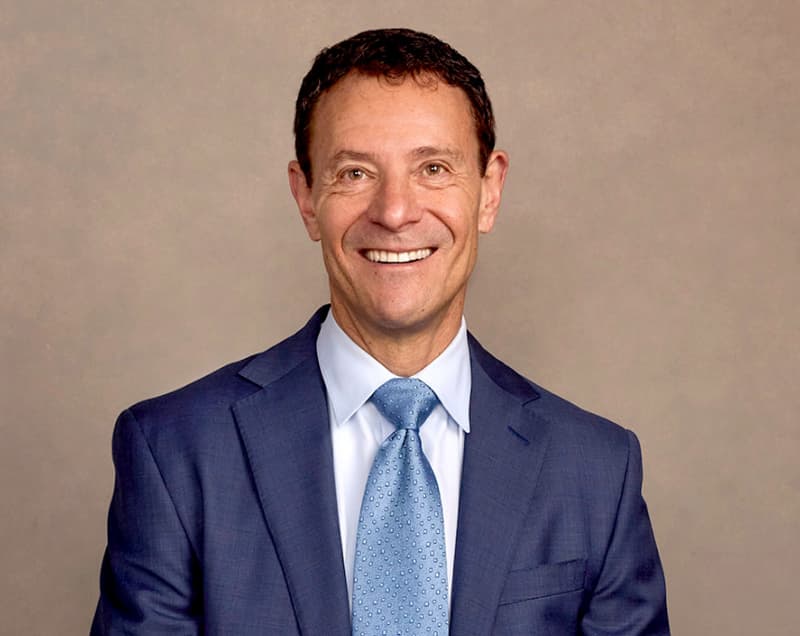
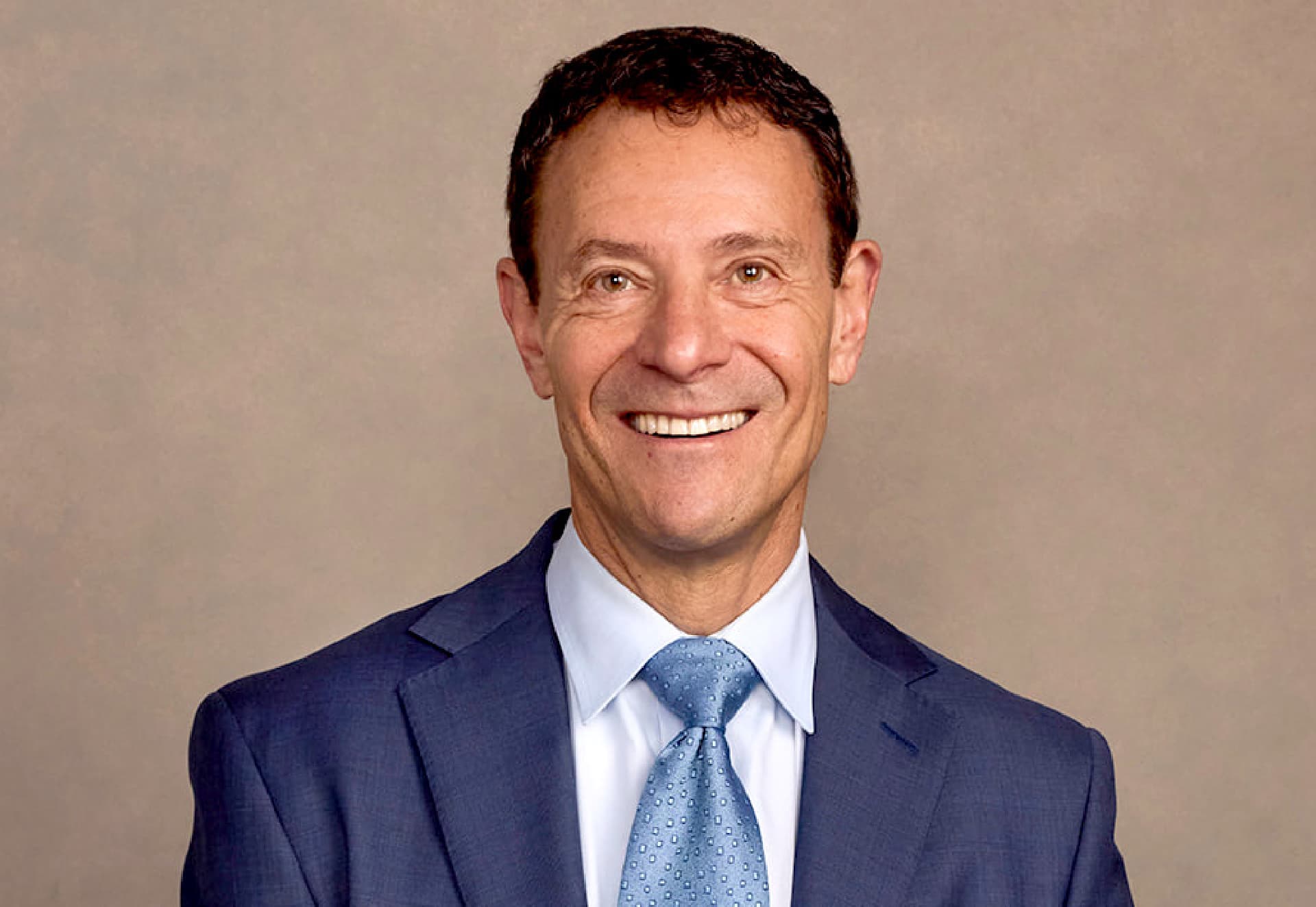
Dr. Bradford Patt
As a double board-certified facial plastic and reconstructive surgeon with more than 25 years of experience, Dr. Bradford Patt is recognized as a leading expert in advanced hair restoration techniques, including NeoGraft FUE transplants, laser therapies, and other innovative hair growth solutions. Known for his precision, artistry, and patient-centered approach, Dr. Patt delivers natural-looking results that restore confidence and coverage.
How Much Does a NeoGraft Hair Transplant Cost in Houston?
The cost of NeoGraft hair restoration in Houston depends on the number of grafts required, the complexity of the case, donor site availability, and other unique factors. Dr. Patt offers customized cost quotes during your private consultation and supports patients with convenient financing options designed to make hair replacement more accessible.
Financing For Every Budget
Everyone deserves to feel confident and love the way they look! That's why we offer flexible financing plans, such as PatientFi and CareCredit®, designed to make your dream procedure more accessible, regardless of your budget. Our team will walk you through your options and help you find a plan that feels comfortable, so you can focus on what matters most: your dream transformation.
Explore Patient Financing
NeoGraft Hair Transplant FAQs
Does NeoGraft leave scars?
NeoGraft doesn’t leave visible linear scars. It only leaves micro-puncture sites that heal discreetly.
Does NeoGraft hurt?
NeoGraft isn’t painful. You’ll be comfortable under local anesthesia during the procedure. Post-procedure discomfort is generally mild and easily managed, especially if you closely follow Dr. Patt’s clear aftercare instructions.
How long until I see new hair?
New hair begins to appear around 3 to 4 months, with more noticeable density by 6 months, and full maturation by 9 to 12 months.
Achieve Natural-Looking Hair Restoration With Dr. Patt
Dr. Patt’s expertise and attention to detail ensure graft placement that aligns with natural hair angles and facial balance. He’s committed to delivering results that look authentic and prioritizes your safety and comfort at every step.
If you’re ready to restore fuller hair and the confidence it brings, request a NeoGraft consultation with Dr. Patt by completing the online form or calling us at
(281) 640-2426 to schedule an appointment. Dr. Patt will tailor a plan to your goals, donor supply, and desired outcome.